Short answer: For most Australian cafés and events, a reusable cup programme delivers the biggest waste reduction. Where reusables aren’t feasible, switching to certified compostable cups combined with a commercial composting contract is the next-best option. Complement these with cup recycling collections, BYO incentives, fibre lids and reduced cup sizes for the best results.
Why sustainable coffee cup packaging matters in Australia
Customers, councils and corporate clients increasingly expect businesses to reduce single-use waste. Sustainable coffee cup packaging can lower landfill, improve brand reputation and reduce Scope 3 impacts when implemented correctly. The right approach depends on your operations, customer behaviour and local organics/recycling infrastructure.
Quick ranked choices (from highest to lower impact)
1. Reusable cup programmes (most impactful)
Why: Reusables eliminate most single‑use waste and cut lifecycle emissions once the cup is reused enough times.
- How: Sell branded reusables, offer a deposit or discount for BYO, partner with a sharing service, or install on‑site washing for events/large sites.
- Costs: Reusable cups typically cost $3–$15 each depending on material and branding. There are also washing hardware, labour or third‑party fees to budget for.
- Trade-offs: Requires staff procedures, hygiene controls and customer uptake. Best for medium/large cafés, campuses, events and chains.
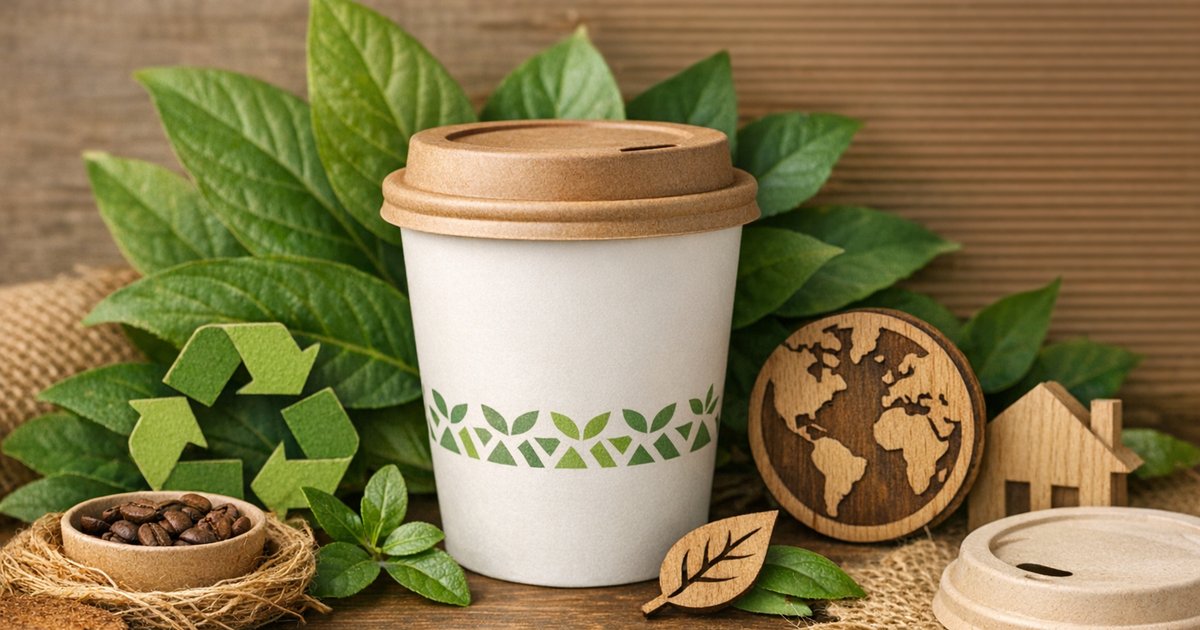
2. Certified compostable cups + commercial composting contract (high impact, practical)
Why: Certified compostable cups can be diverted from landfill into industrial composting, closing the loop when collection exists.
- How: Choose cups certified to recognised standards (e.g. AS 4736 / EN 13432 where relevant), arrange a commercial organics collection or local composter, and add clear signage and staff training to avoid contamination.
- Costs: Compostable cups cost more than standard PE‑lined cups.
- Trade-offs: Contaminated loads can be rejected by composters. Separation at source and education are essential to keep performance high.
We supply compostable cups with full‑colour CMYK printing, free artwork templates (AI & PSD) and a design layout service to make the switch straightforward.
3. Specialist cup recycling programmes
Why: Where industrial composting isn’t available, cup recycling schemes can divert cups from landfill and convert them into new products.
- How: Provide a dedicated collection bin, partner with a recycler, and communicate clearly which items are accepted to avoid contamination.
- Costs & trade-offs: Service or membership fees, space for collection and some admin time. Effectiveness depends on clean separation and customer education.
4. Encourage BYO (bring your own) with discounts
- How: Offer a small discount (for example, 10–50¢), loyalty points or a permanent BYO price. Promote in‑store and online.
- Trade-offs: Minor revenue impact which is often offset by reduced cup spend and improved sustainability credentials.
5. Swap plastic lids for fibre or compostable lids
- How: Order matching fibre or CPLA lids and confirm fit across your cup sizes.
6. Reduce cup size options (quick wins)
- How: Make 8oz/12oz defaults, treat 16oz as a premium option or apply a small upcharge to discourage unnecessarily large servings.
- Trade-offs: Some customers prefer larger sizes; communicate the sustainability reason for the change to maintain goodwill.
Practical implementation checklist
- Audit current cup use: weekly volumes, size mix, lid types and current waste destination (landfill, organics, recycling).
- Choose 1–2 priorities to pilot for 4–8 weeks (e.g. reusable discount pilot or compostable cups + composting contract).
- Train staff, add clear signage and set contamination rules for collections.
- Track simple KPIs: cups used, BYO uptake, compost/recycling tonnes collected, contamination rate and customer feedback.
- Scale what works and share results publicly to build customer goodwill.
For current prices, see the printed coffee cups page.
Minimum order: 500 cups. Standard production: 10 business days + 2–3 days metro freight. Rush: 5–7 business days.
Other details: We offer a sample pack, free artwork templates and a design layout service — order a sample pack to compare materials and lid fit in person.
Which option should you pick?
If you can manage logistics and washing, a reusable cup programme gives the largest long‑term impact. If reusables aren’t practical, certified compostable cups paired with a commercial composting contract are a straightforward operational win. Use cup recycling schemes, BYO incentives, fibre lids and size reductions as complementary measures. Our compostable range and design layout service make switching straightforward.
Next steps & CTAs
Order a sample pack to compare single‑wall, double‑wall and compostable cups in person. When you’re ready to brand your cups, view our custom printed coffee cups page and consult the complete buyer’s guide for planning tips and timelines.
Need help choosing? Contact us with your weekly cup volumes, preferred sizes and whether you’re considering composting or reuse — we’ll recommend the most cost‑effective mix and mock up designs using our layout service.
More on sustainable cups
- Compostable coffee cups explained
- Can compostable cups go in the green bin?
- Compostable vs standard paper cups
- PLA vs PE cup linings
- The carbon footprint of a paper cup
- Compostable custom coffee cups (product & pricing)
- Eco-friendly takeaway cups (product & pricing)